About the Domaine
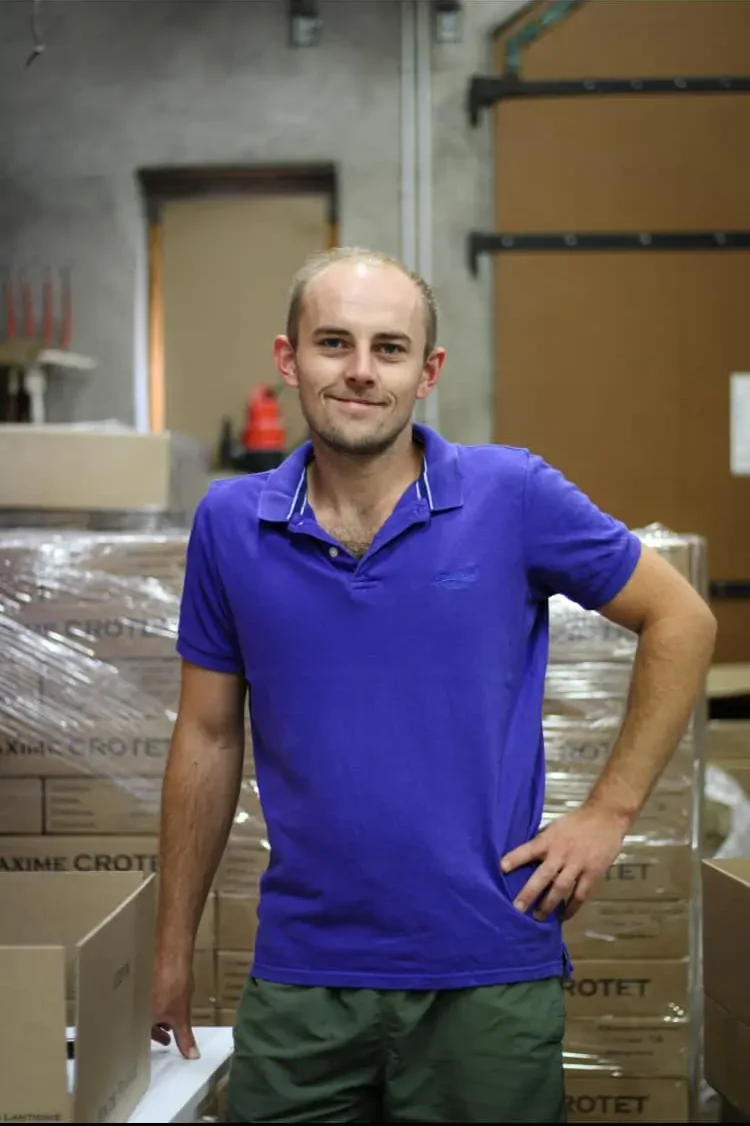
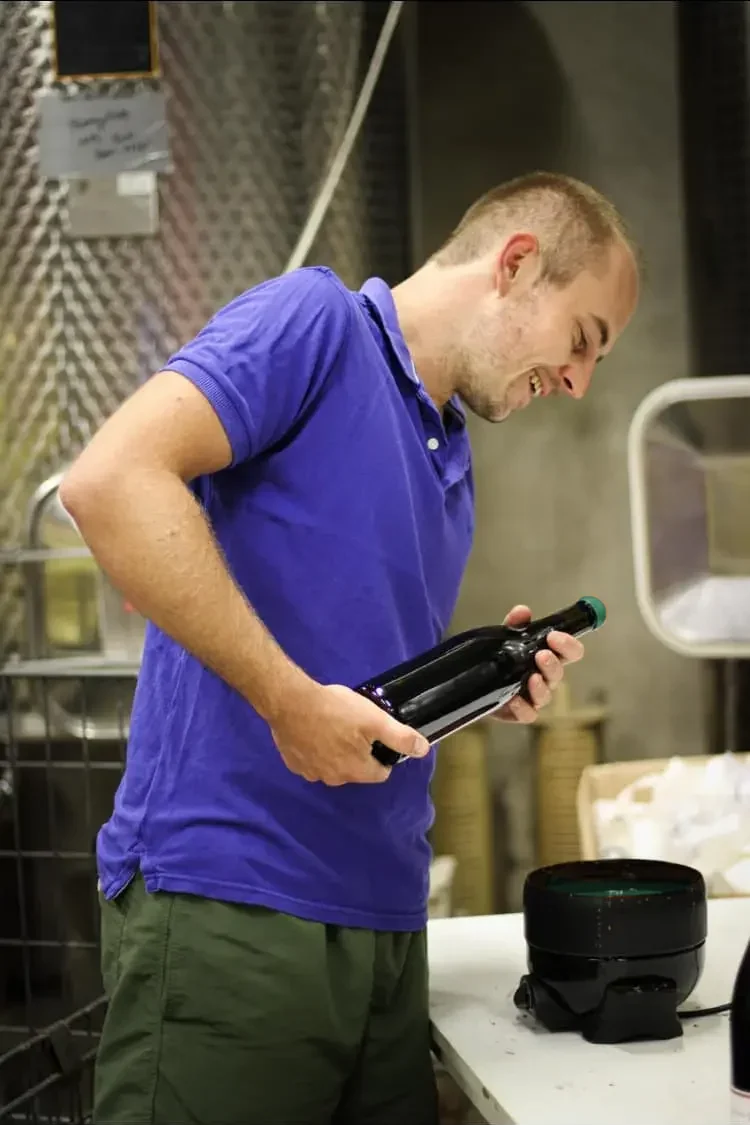
Born and raised in Beaune, Maxime Crotet was immersed in Burgundy’s gastronomic culture from an early age. His grandfather, Jean Crotet, owned the famed Michelin-starred Hostellerie de Levernois. Long before he could grasp the nuances of winemaking, Maxime understood the essential role of wine at the table.
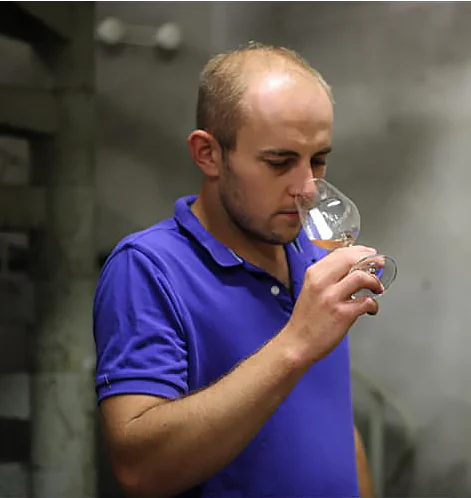
Maxime’s interest in winemaking came early. After formal training in viticulture and production, he had the good fortune to begin an apprenticeship with Frédéric Cossard at Domaine de Chassorney in Saint-Romain. During his 8 years with Cossard, Maxime steadily took on more responsibility, eventually rising to cellar master. The experience provided him with a rigorous, hands-on grounding in organic farming, precision viticulture, and minimal-intervention winemaking.
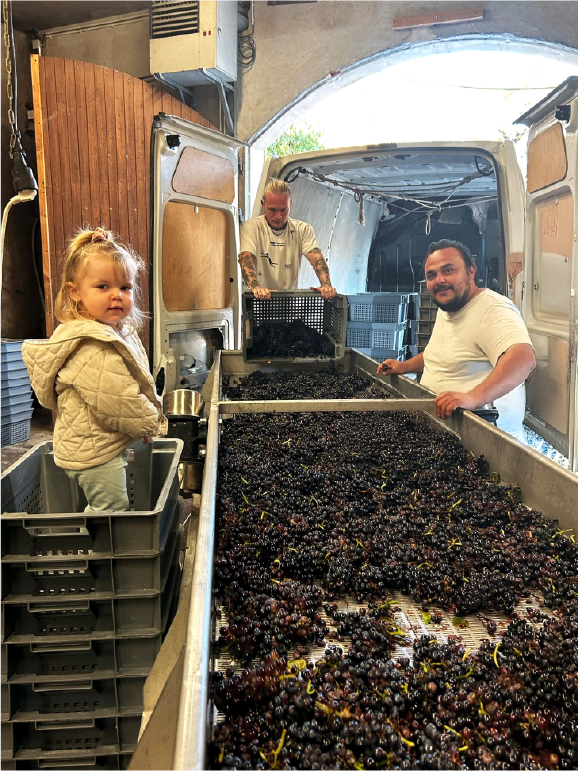
In 2021, after years of quiet preparation, Maxime struck out on his own. From an old cellar near the heart of Beaune, he began an ambitious négociant project, sourcing fruit from like-minded farmers with holdings in the Burgundian terroirs that excited him. The brutal spring frosts of 2021, however, left almost no fruit to be had in Burgundy. Rather than sit out the vintage, he widened his search, building relationships with growers in Beaujolais, Alsace, the Jura, and the Southern Rhône. He secured Gamay, Pinot Noir, Chardonnay, Grenache, and Carignan, harvesting every lot with a small team and vinifying it all back in Beaune. The detour reshaped his range in unexpected ways, and it established him as a winemaker who can draw vibrant, terroir-driven wines from multiple varieties, terroirs, and regions.
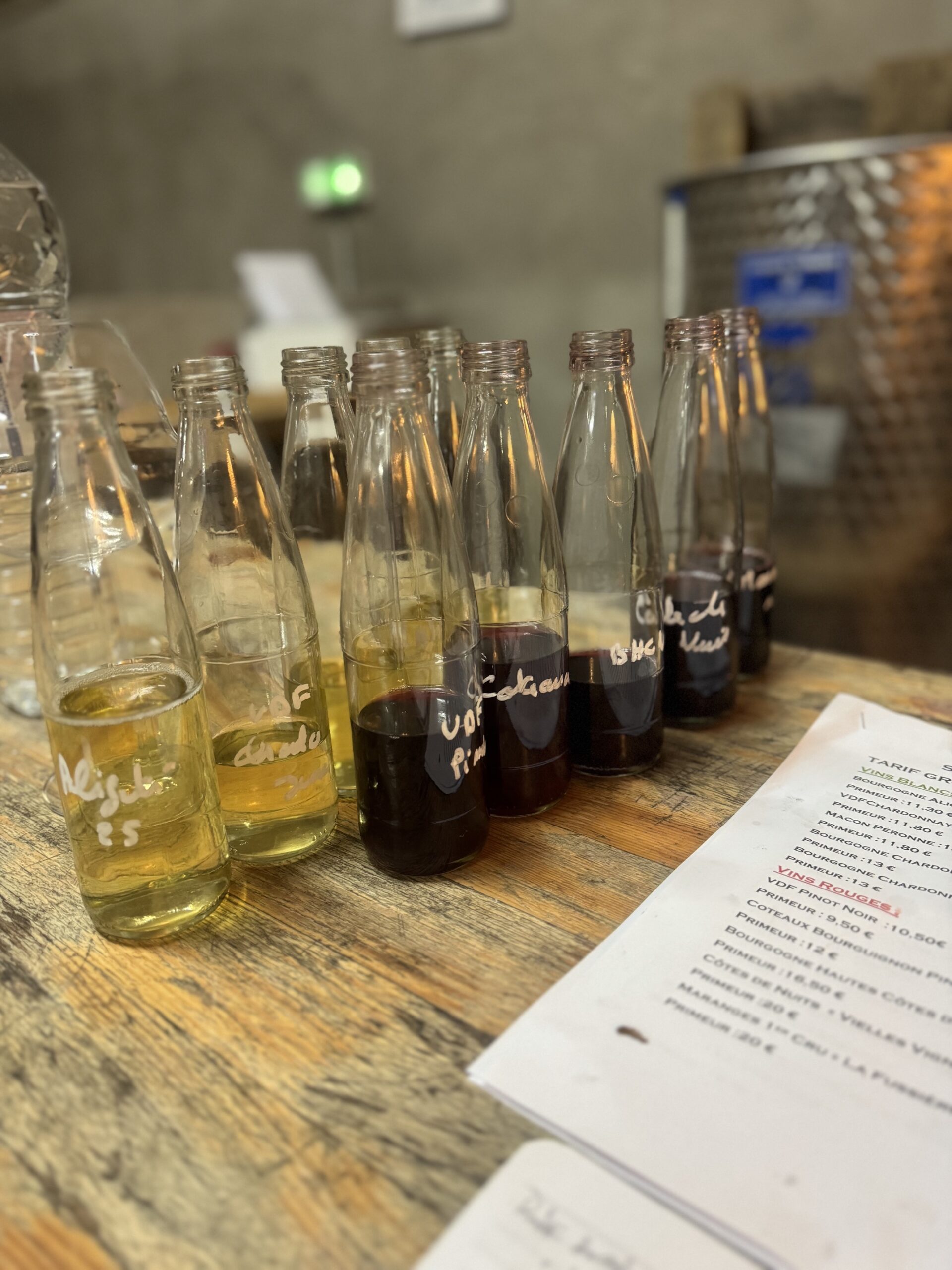
Since 2023, Maxime has been able to focus almost entirely on wines from the Côte de Nuits, the Côte de Beaune, and the Mâconnais. He still sources Chardonnay from the Jura for a single Vin de France cuvée, but when nature allows, his focus stays on producing world-class Pinot Noir and Chardonnay from Burgundy.
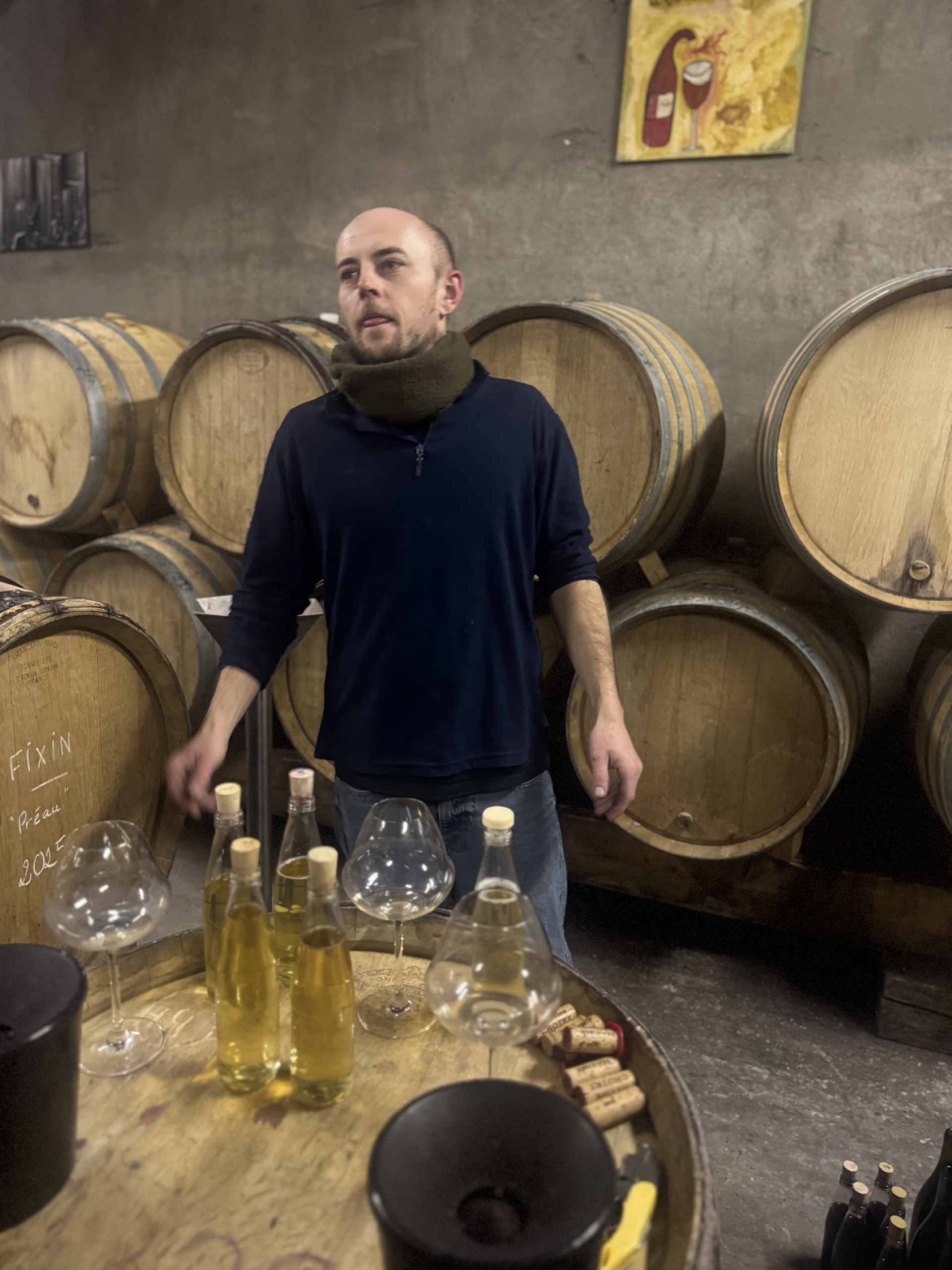
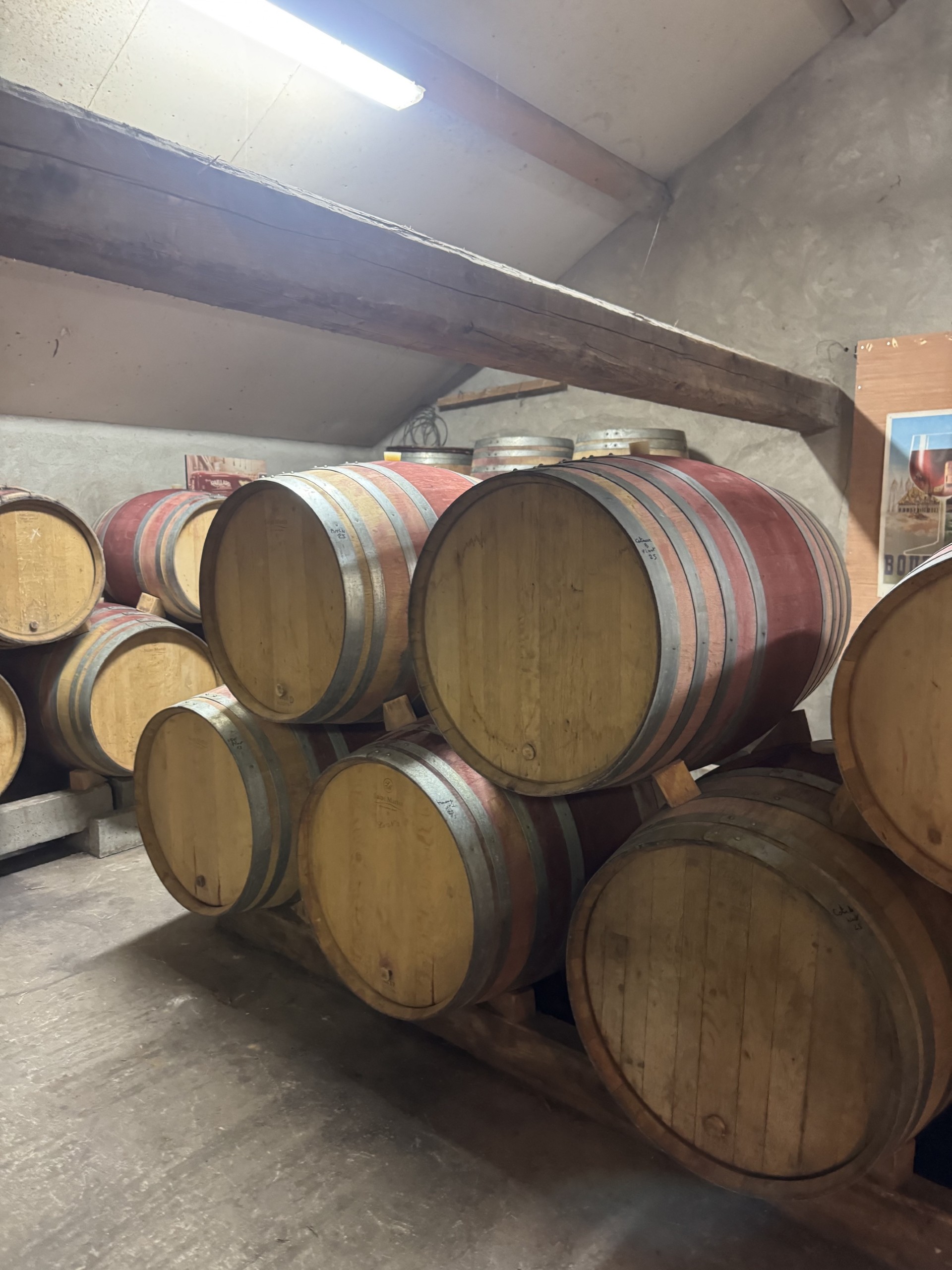
In the cellar, Maxime vinifies as naturally as possible, adding nothing unless it is absolutely necessary: no cultured yeast, no enzymes, no SO2 during élevage. Whites are direct-pressed on arrival and settle for 10–15 hours before going into used 228L French oak barrels for fermentation and aging. Reds are macerated whole bunch with a touch of carbonic influence (2 days) to accentuate the fruit. After a 12–20 day maceration, the grapes are pressed and transferred to used 228L French oak barrels for 8–10 months of aging. A few cuvées see a small percentage of new barrels (10–15%).
Maxime’s wines are marked by purity and freshness, and they speak clearly of the vineyards from which they are sourced. Though he is still early in his career, we are excited to be working with such an energetic and motivated producer, who is among the most compelling voices of Burgundy’s new generation.