Domaine de L’Iserand

Jean-Francois Malsert

Northern Rhône, France

Loading...

About the Domaine

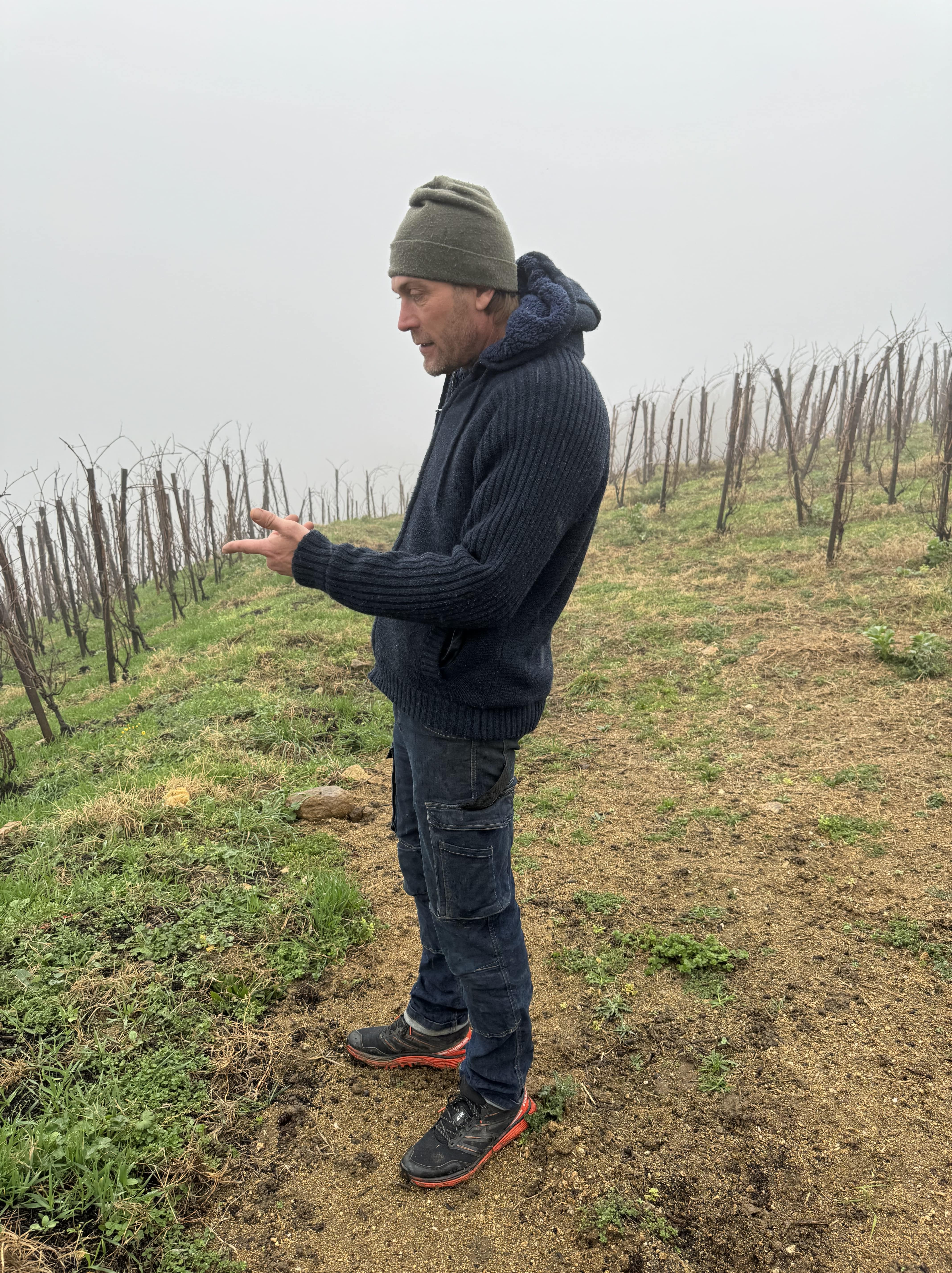
The grandson of a local grape grower, Jean-François aka “Jeff”, officially launched Domaine de L’Iserand in 2017. However, the journey to become a vigneron goes back many years to his time as the owner of the once popular wine bar Carafes en Folie in Tournon-sur-Rhône. It was here that Jeff championed producers like Dard & Ribo and Hervé Souhaut.

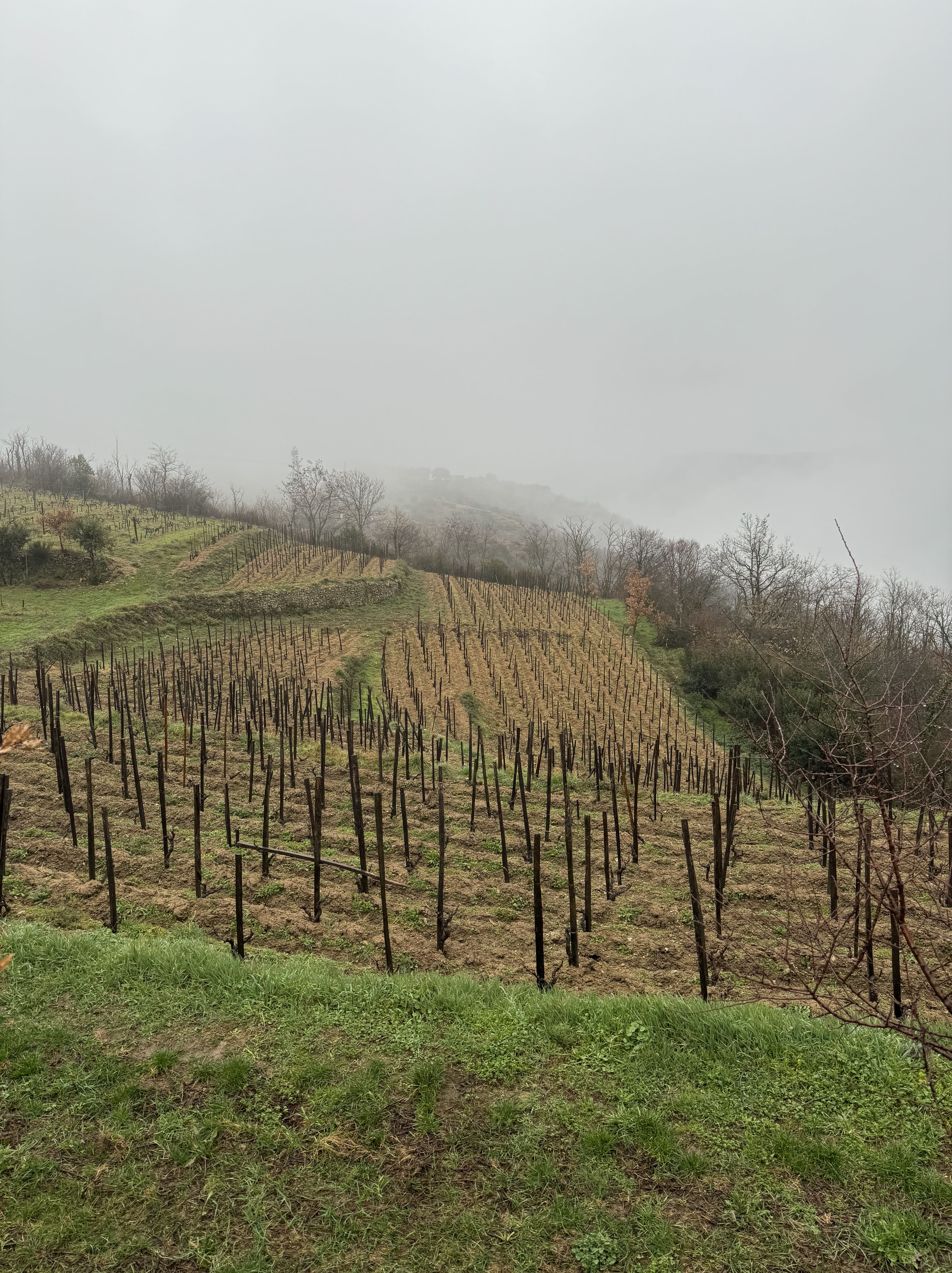
In 2011, Jeff began clearing and replanting several fallow plots on the plateau of Séchéras in the heart of the Saint-Joseph appellation. He continued running the wine bar for a few years while waiting for the new plantations to start producing. Carafes en Folie was eventually sold, allowing Jeff the opportunity to gain valuable experience making wine in Australia, New Zealand, and then back in France.

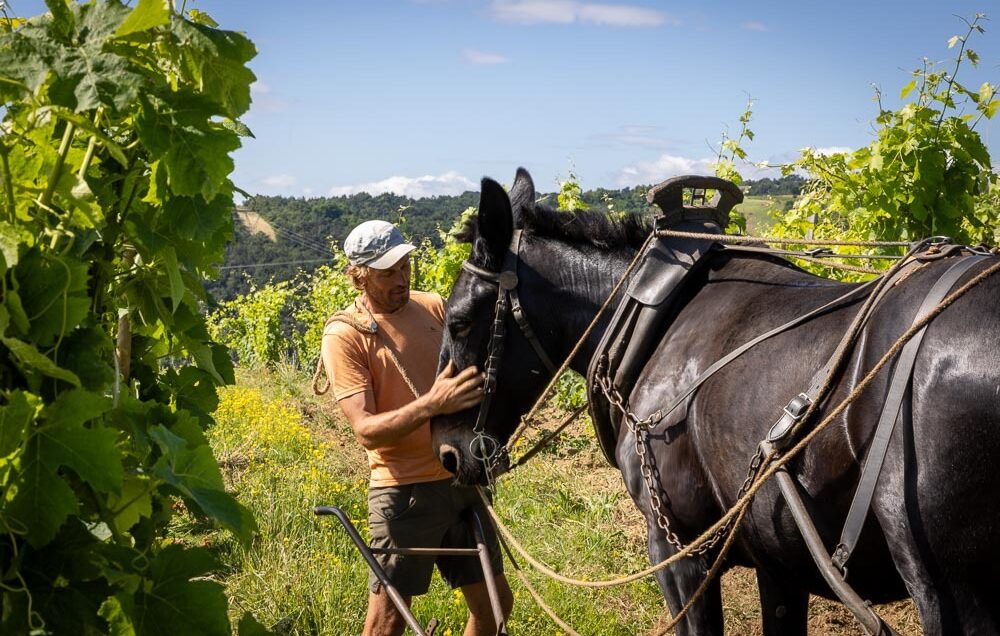
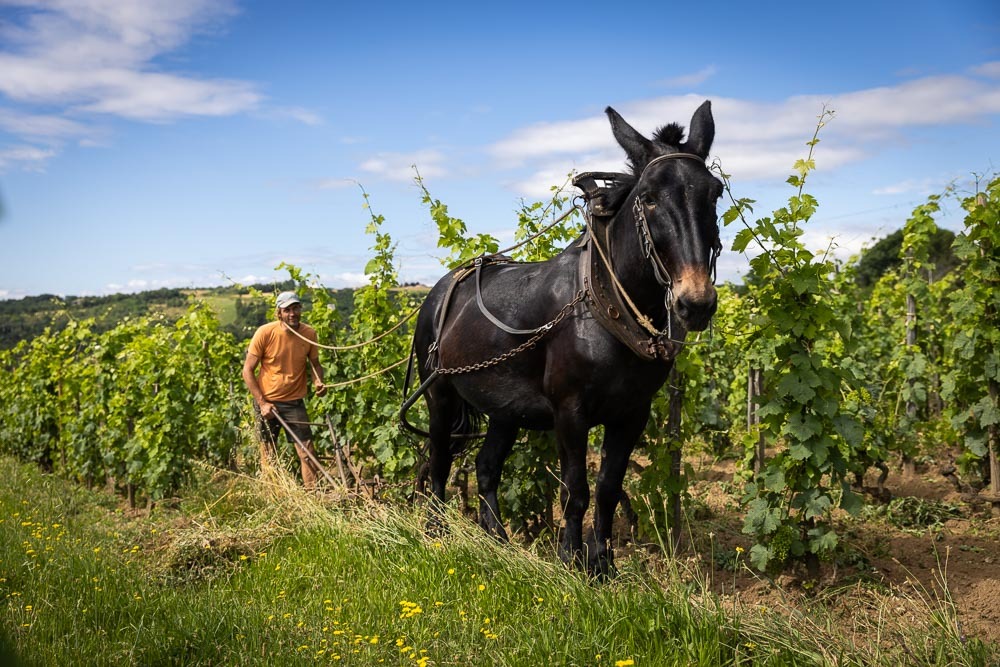
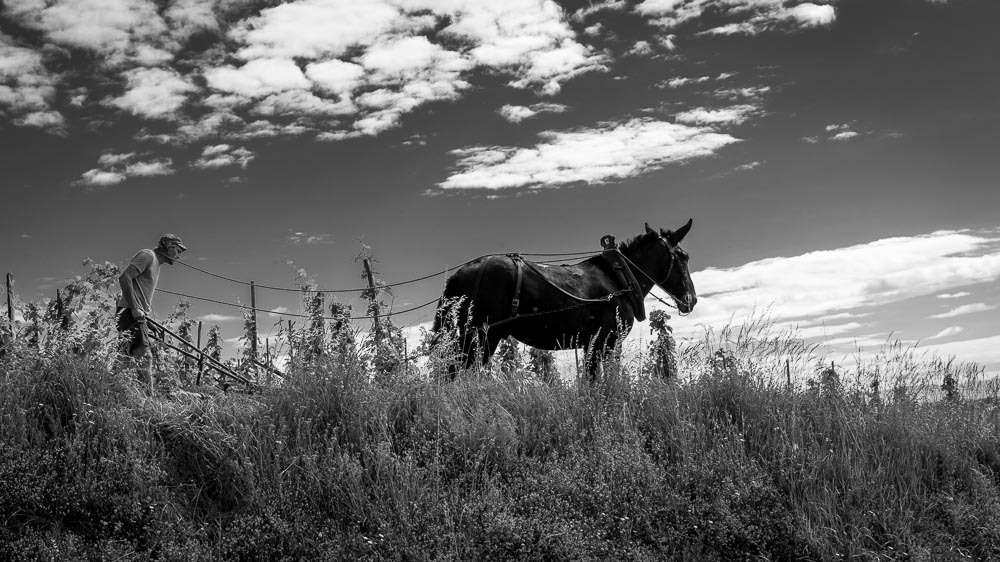
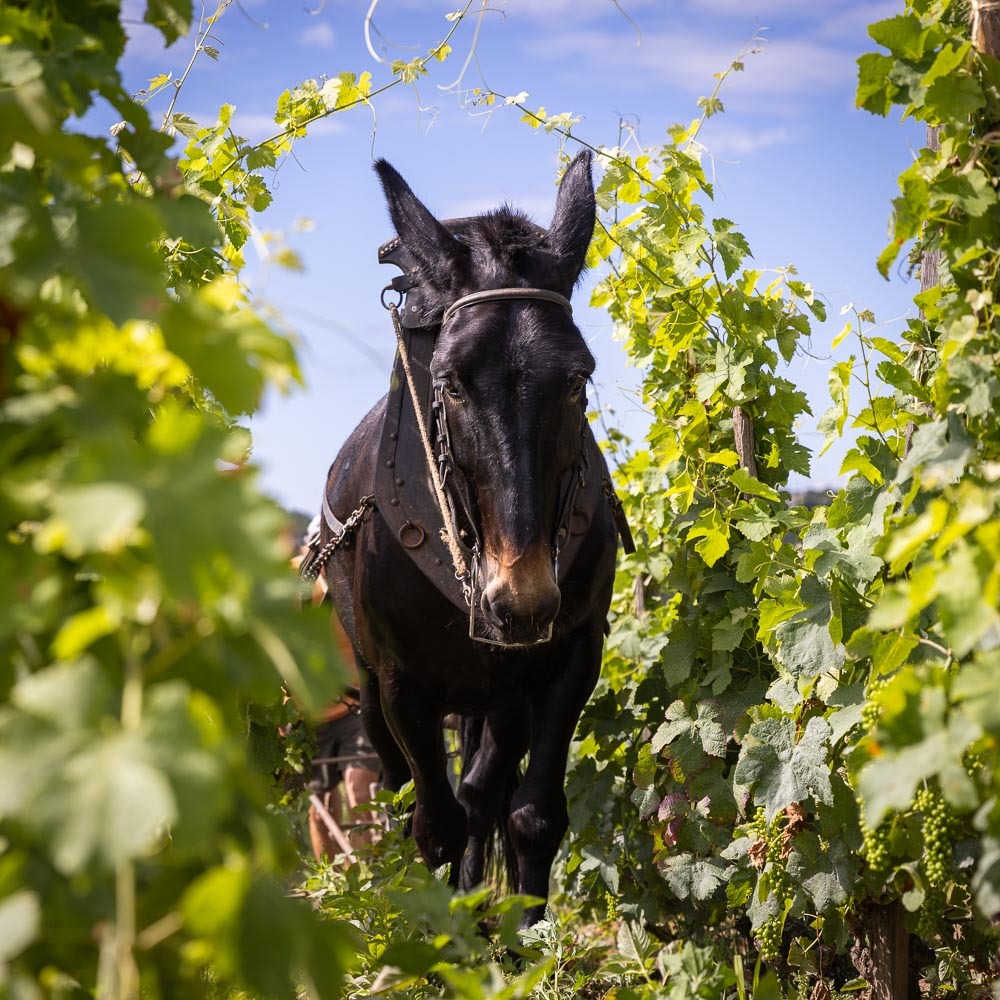
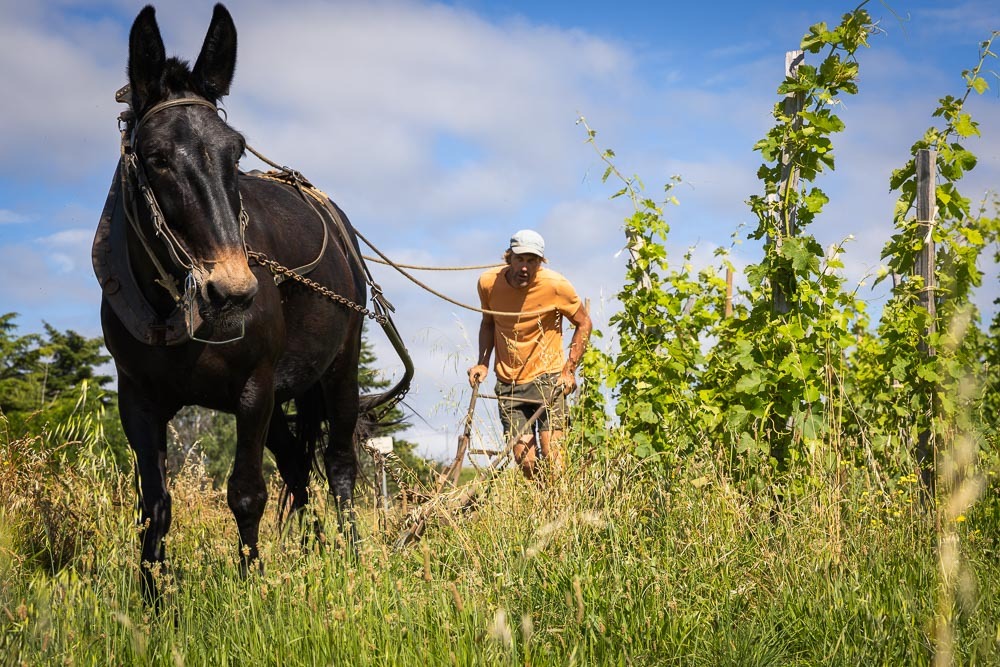
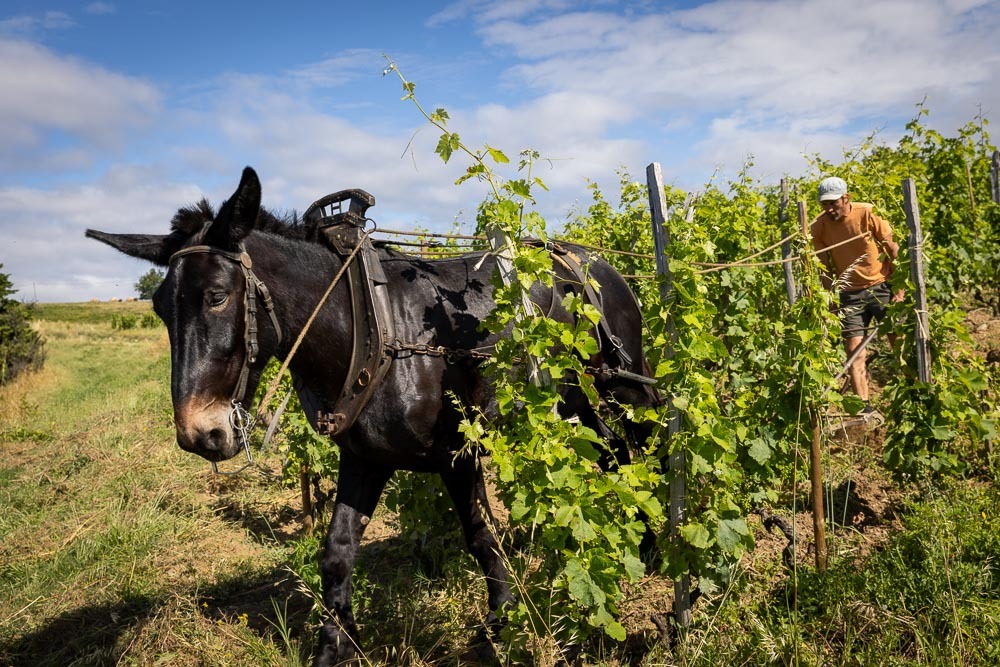
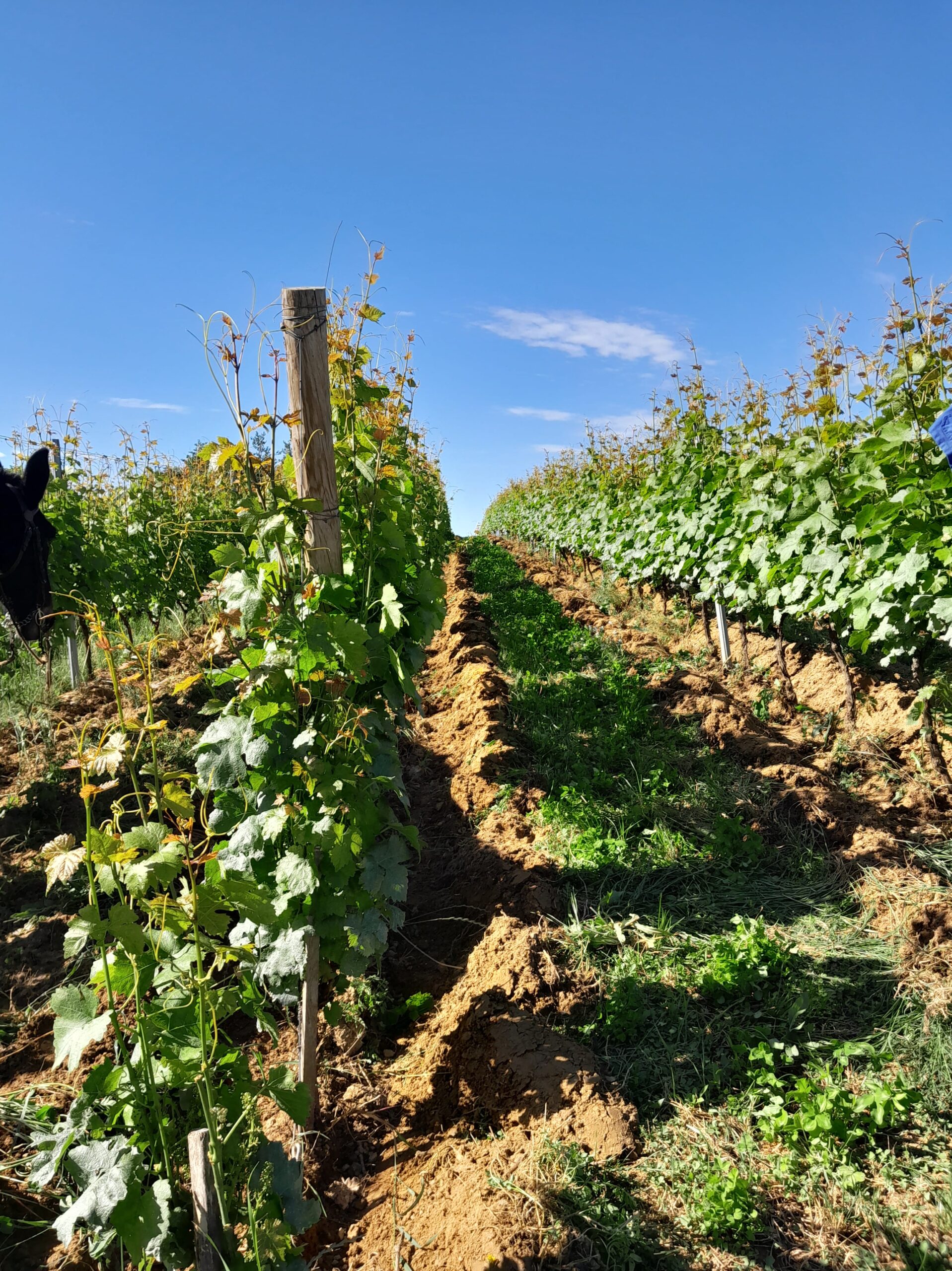
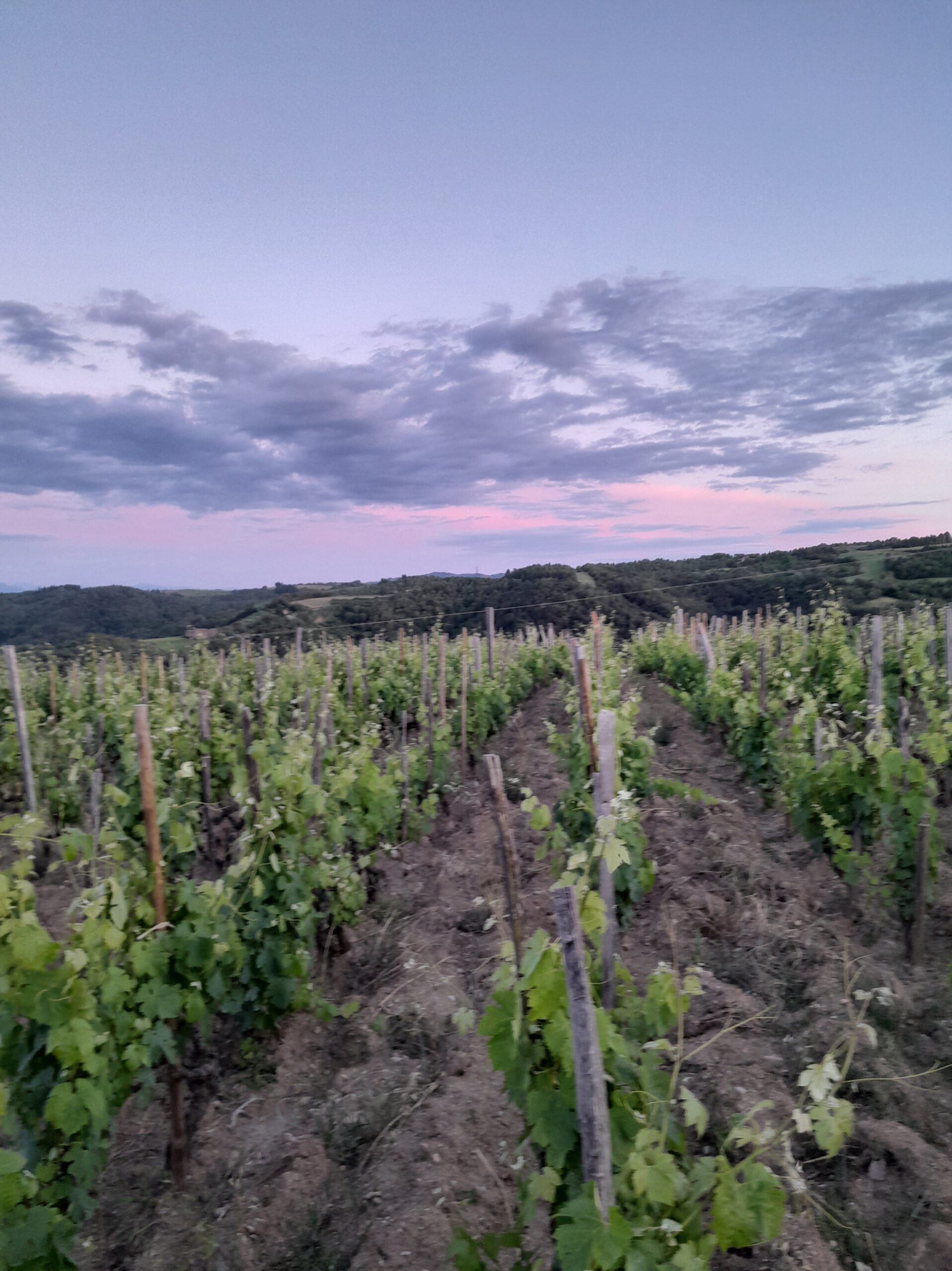
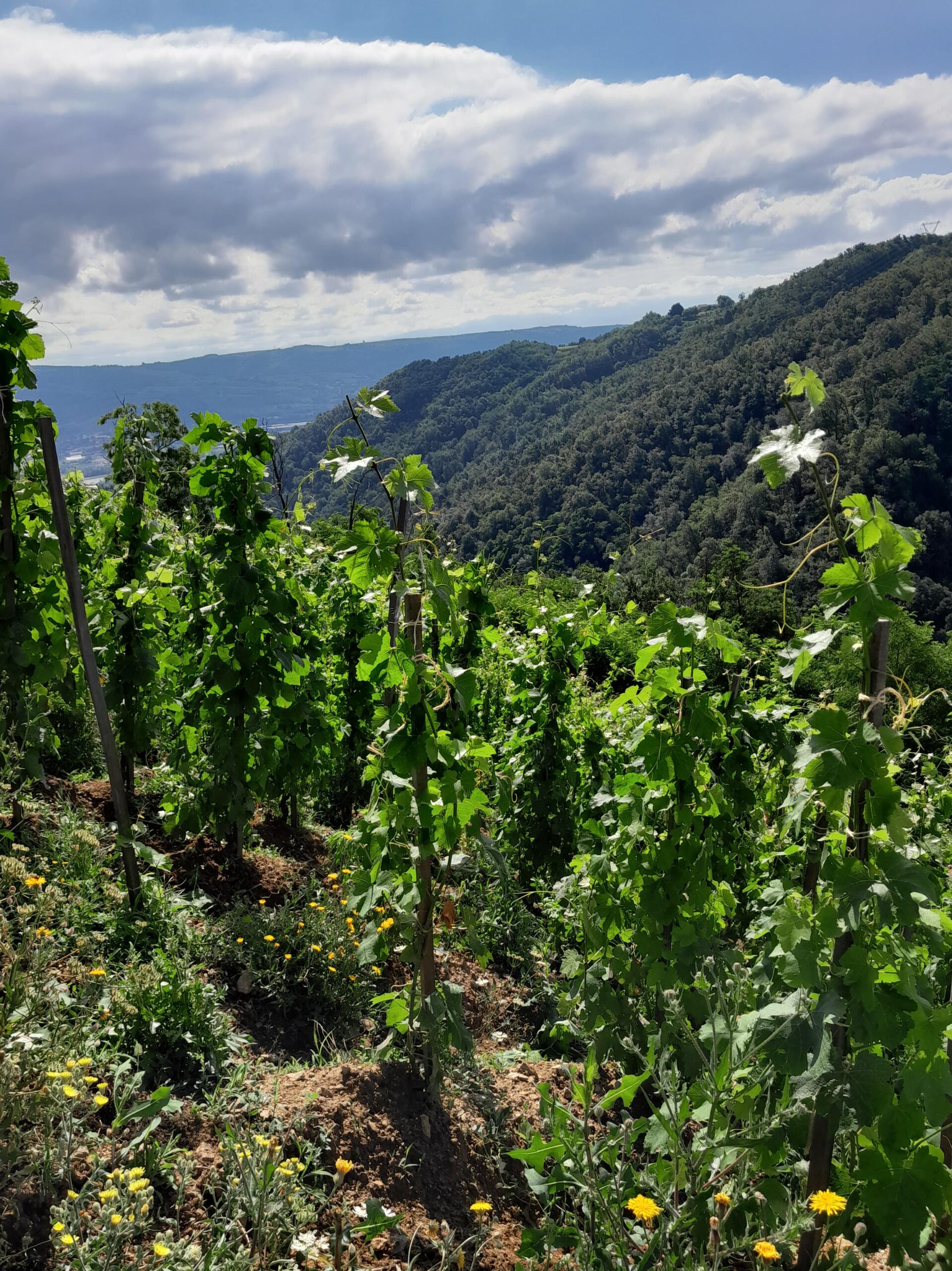
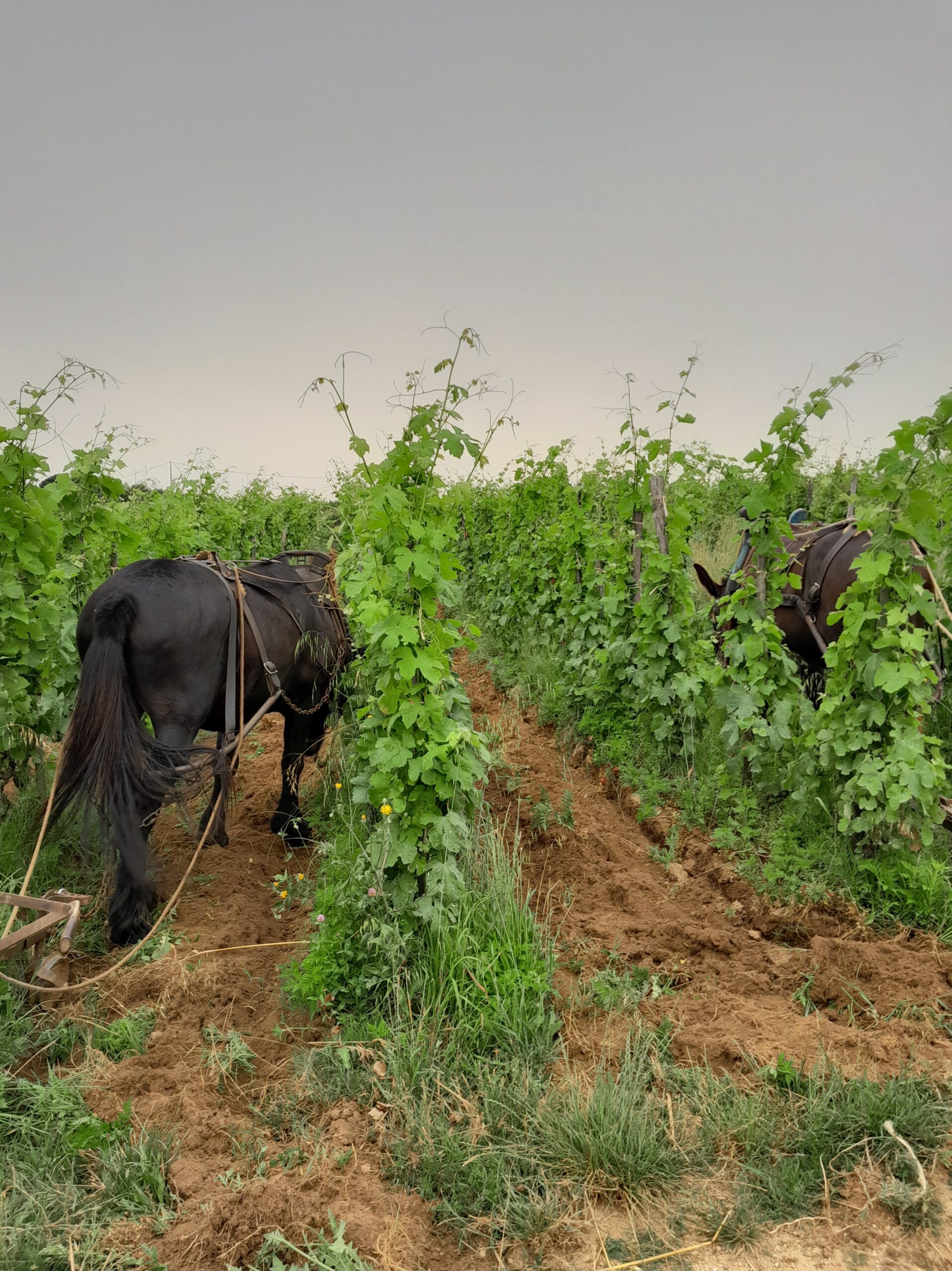
The first official vintage of Domaine de L’Iserand was 2017 with just 1.5 hectares in production. Since then, Jeff has grown the Domaine to almost 7 hectares of Syrah, Roussanne, Marsanne, Viognier, Gamay, Chasselas and Dureza. The vines are spread over multiple parcels on the steep granitic slopes of Sécheras and Ozon, and vineyards are cared for manually with the help of two mules, Cassius and Lana. Jeff’s organic regimen calls for treatments with tinctures of horsetail and nettle, and he aims for the minimum use of copper and sulfur.

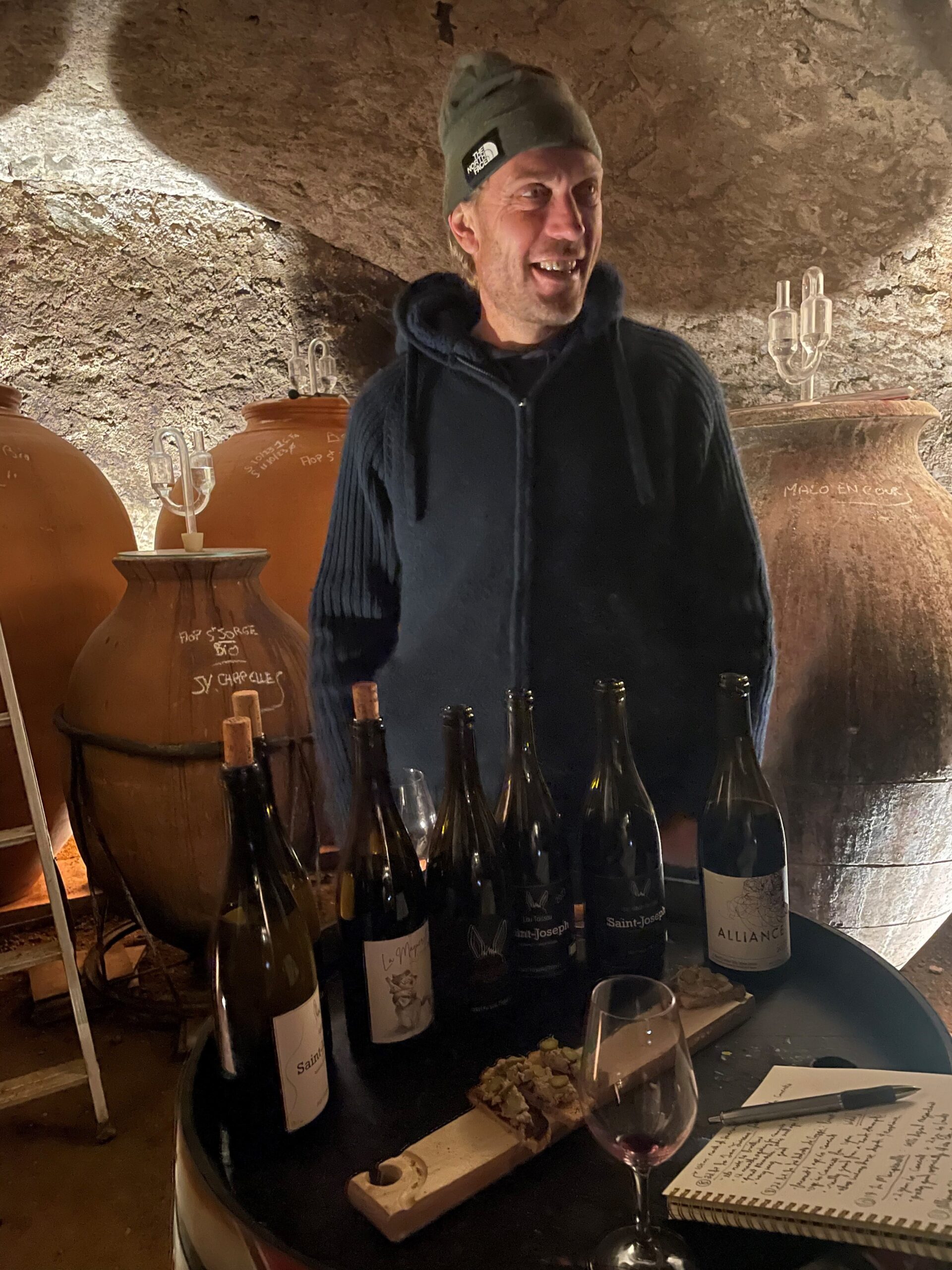
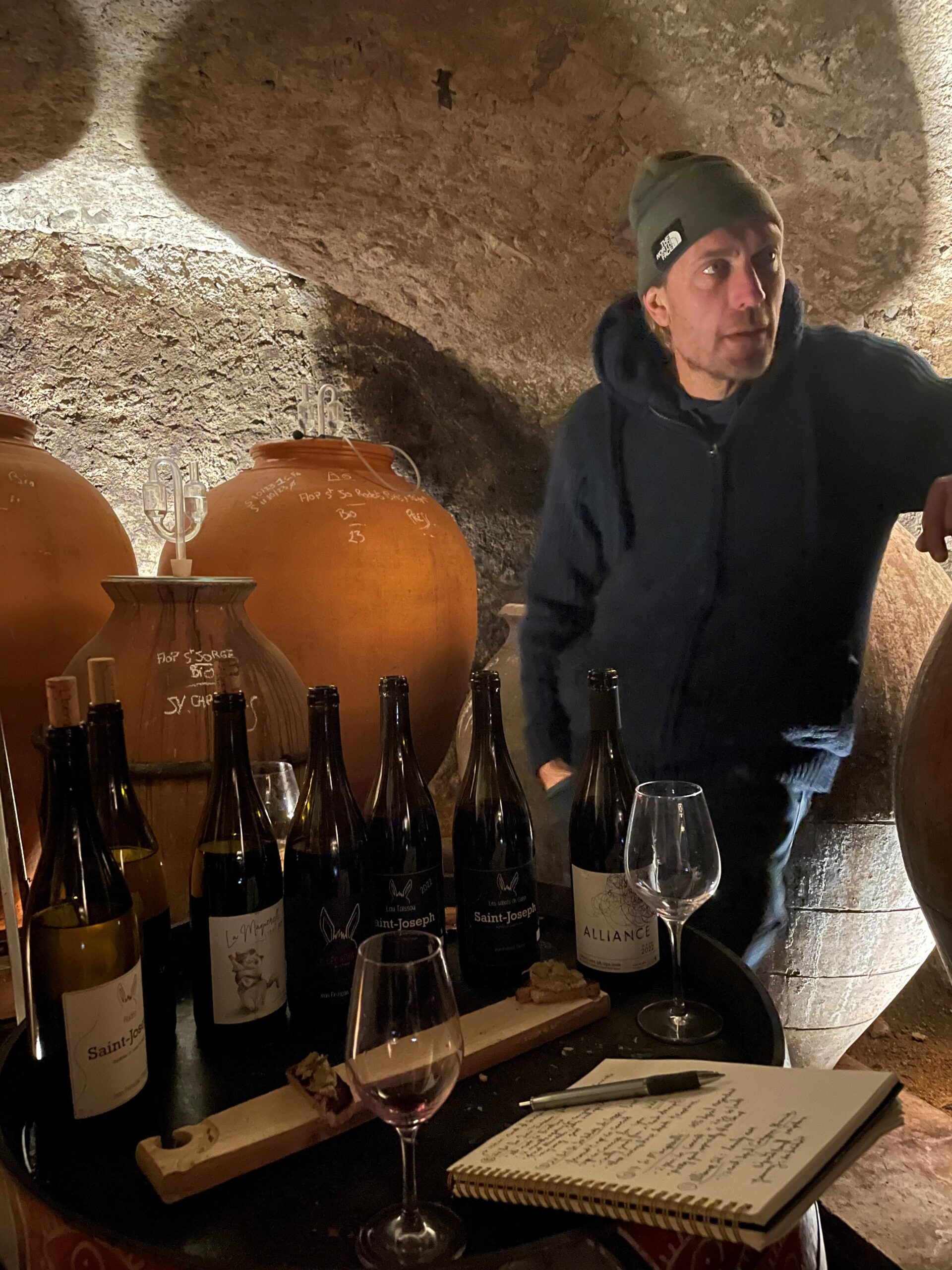
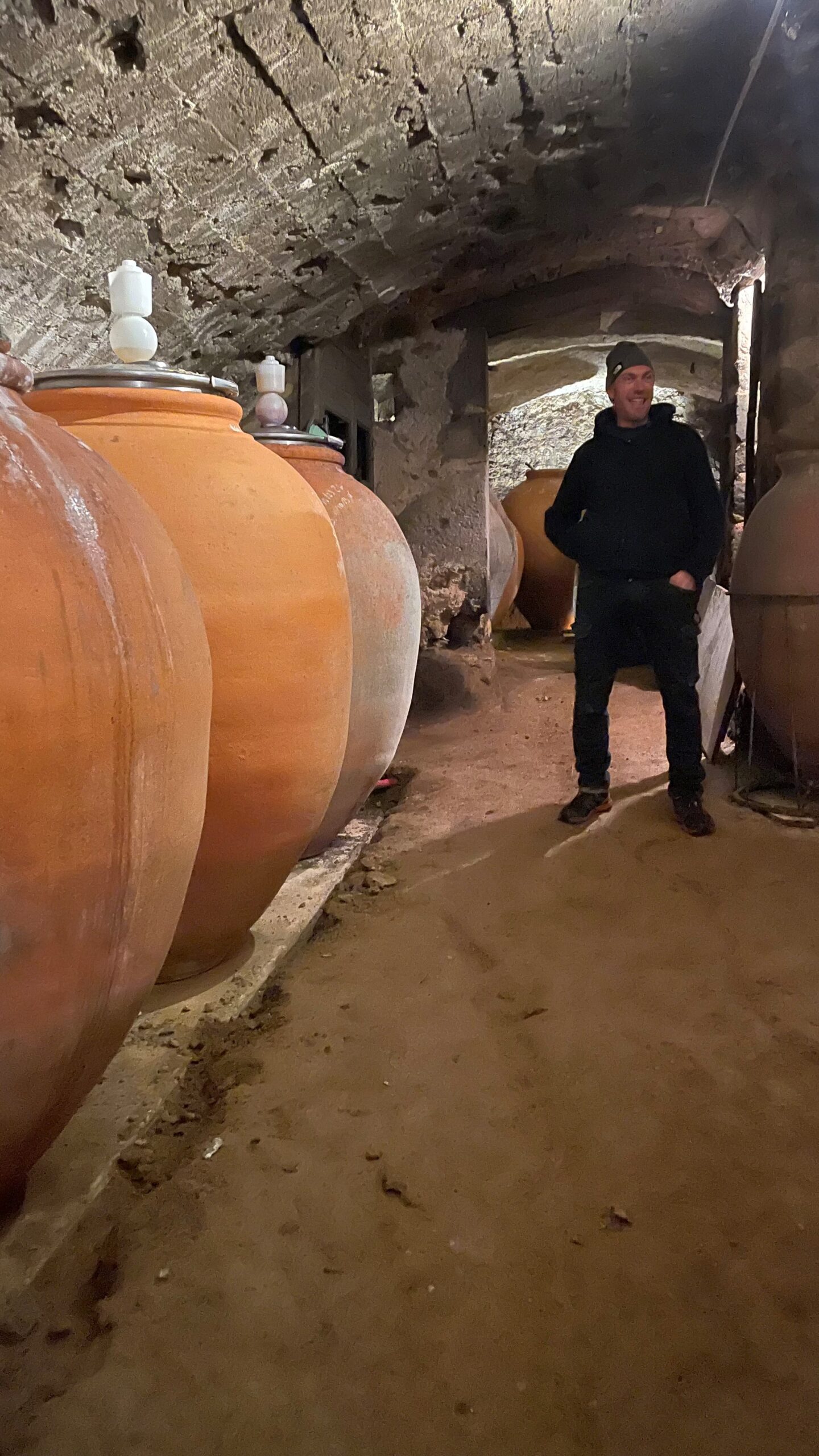
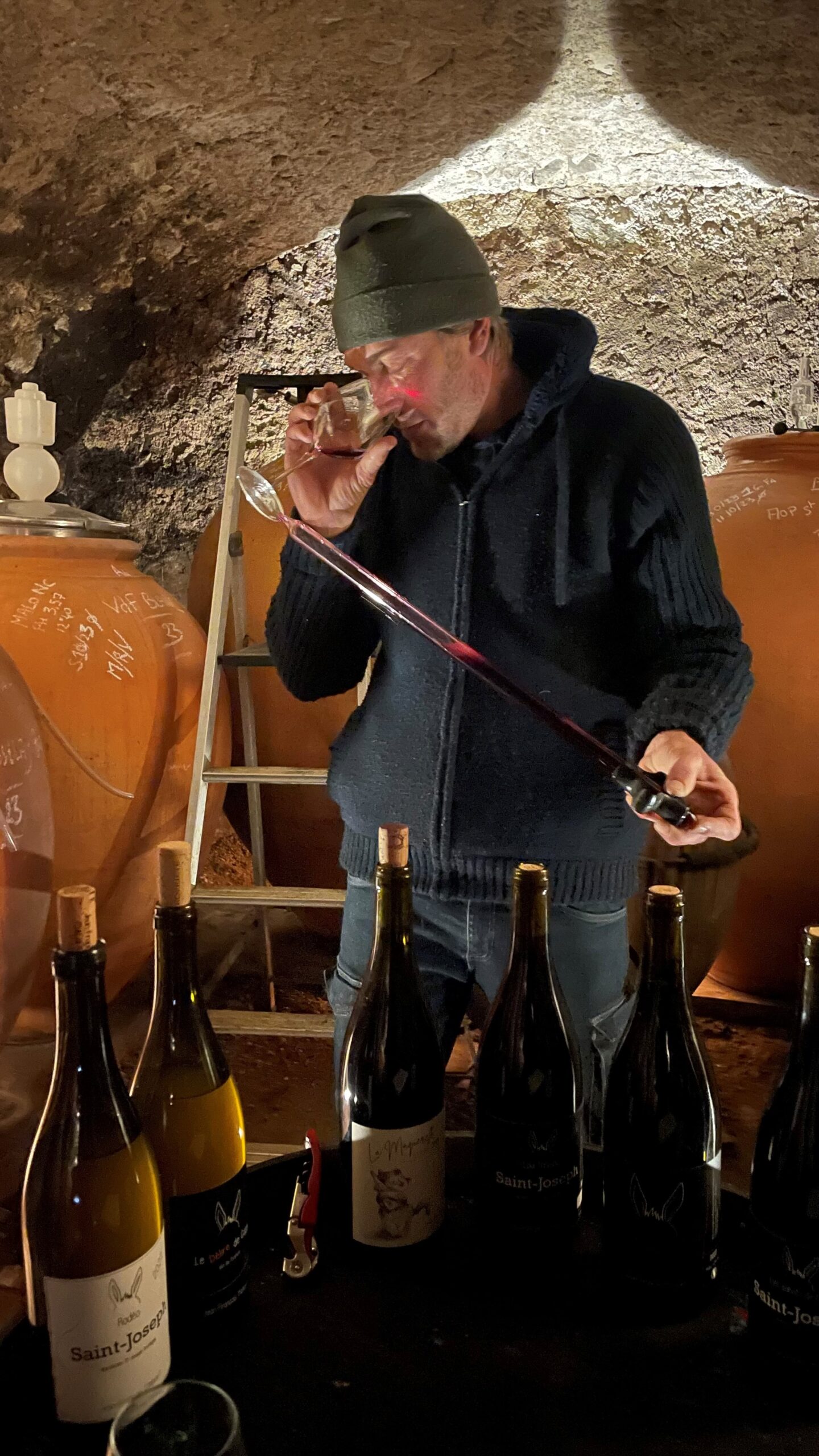
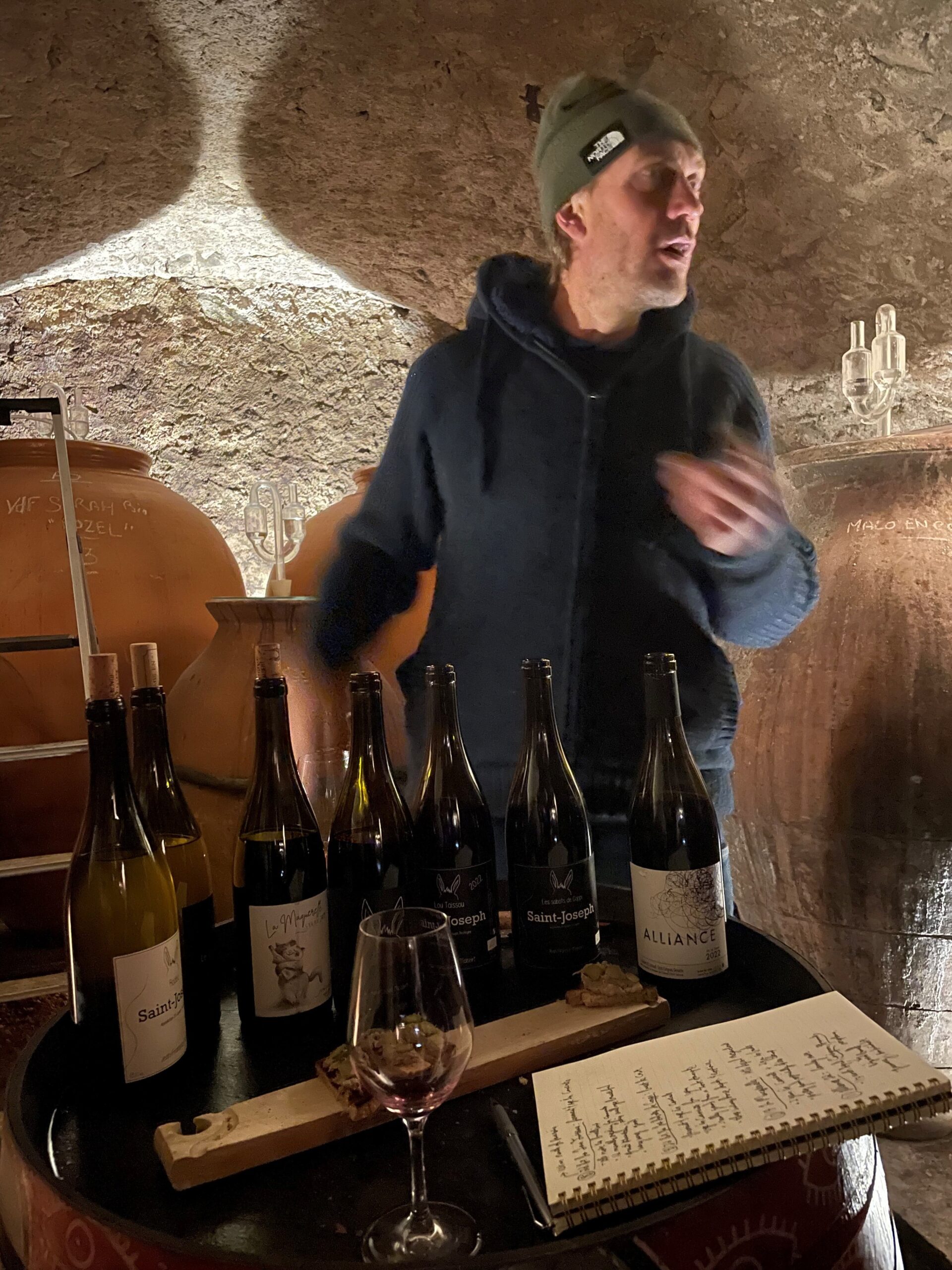
In the cellar, only the indigenous yeasts are used for fermentation, and the wines are aged in a combination of demi-muids, concrete vats, and sandstone amphoras of various sizes. The reds are vinified whole cluster for up to 2 weeks with a light daily punch down of the cap. For the whites, the Saint-Joseph Blanc and Chasselas are directly pressed, while the IGP and Vin de France whites undergo a light maceration. There is no fining or filtration, and if possible, sulfur is only used at bottling.

Though he avoids the spotlight, Jeff has earned quiet acclaim among Northern Rhône aficionados. Authentic, restrained, and rooted in real farming, the wines of Domaine de L’Iserand are for those seeking elegance over extraction, freshness over flash, and terroir over technique. Still a relatively young Domaine, we have very high expectations for Domaine de L’Iserand, and these wines are not long for the “under the radar” category.

Jean-François Malsert Chasselas VdF Blanc 2024

View Label

Region: Northern Rhône

Appellation: Vin de France

Grapes: 100% Chasselas

Average Vine Age: 8 years-old

Altitude: 1,250 feet (380m)

Soils/Terroir: From a .5ha parcel in the village of Sécheras, with a southern exposition and soils of silt, granite, and gneiss.

Farming: Organic

Harvest: Hand harvested

Yield: 20hl/ha (2,000 bottles produced)

Winemaking: Whole cluster pressing of the grapes upon arrival in the cellar. The juice undergoes 1 night of cold settling, before racking off the gross lees into stainless steel tanks. Fermentation began spontaneously using only the naturally occurring indigenous yeasts. No stirring of the fine lees (battonage), and the wine completed malolactic fermentation.

Maturation: Aged 5 months in sandstone amphoras, followed by 2 months in stainless steel tanks.  3-4 weeks before bottling the wine is racked and a low dose of sulfur (1g/HL) added. Bottled without fining or filtration.

pH: 3.49

Sulfur: <5ppm total SO2, no free SO2 detected

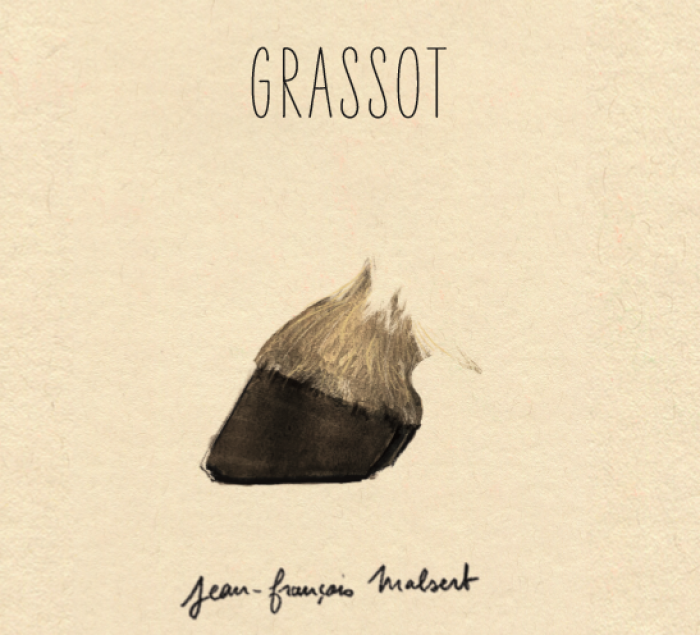
Jean-François Malsert ‘Grassot’ VdF Rouge 2024

View Label

Region: Northern Rhône

Appellation: Vin de France

Grapes: 50% Syrah, 50% Gamay

Average Vine Age: Syrah (4 years), Gamay (10 years)

Altitude: 1,380 feet (420m)

Soils/Terroir: From 2 parcels in the village of Sécheras totaling 1ha. The Gamay is exposed north on granite soils. The Syrah is exposed south on soils of granite and sand.

Farming: Organic

Harvest: Hand harvested

Yield: 30hl/ha

Winemaking: The Gamay was harvested in 2 passes due to mildew. The grapes from the first pass (50%) were direct pressed and fermented in concrete tanks. The remaining grapes were harvested 4 days later and macerated whole bunch for 14 days in concrete tanks. On the 15th day the grapes were pressed and combined with the direct press juice in concrete tanks. The Syrah was macerated whole bunch for 6 days in stainless steel tanks. On the 7th day the grapes were pressed, and the juice transferred back to stainless steel tanks to complete fermentation. After the completion of malolactic fermentation, the Gamay and Syrah were transferred to lined Amphoras for ageing.

Maturation: Aged separately for 7 months in lined Amphoras. 1 month before bottling the components were blended in concrete tanks, and a low dose of sulfur (1g/HL) added. Bottled without fining or filtration.

pH: 3.37

Sulfur: <5ppm total SO2, <5ppm free SO2

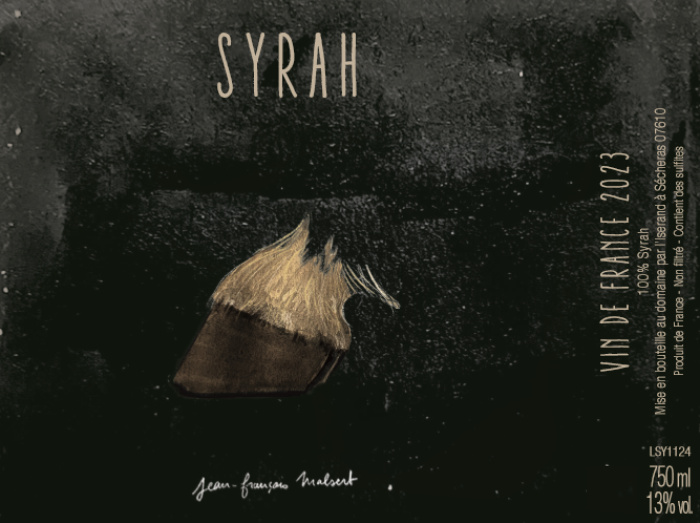
Jean-François Malsert VdF Syrah 2023

View Label

Region: Northern Rhône

Appellation: Vin de France

Grapes: 100% Syrah

Average Vine Age: 8 to 46-years-old

Altitude: multiple parcels located between 1,250 to 1,315 feet (380m-400m)

Soils/Terroir: From 5 parcels, totaling 1.55ha, located in the villages of Sécheras and Arras-sur- Rhône. The parcels are exposed south and east on soils of granitic sand, gneiss, and mica schist.

Farming: Organic

Harvest: Hand harvested

Yield: 23hl/ha

Winemaking: The 5 parcels are harvested and vinified separately in stainless steel tanks. Vinification is a blend of traditional whole bunch maceration and full carbonic maceration. Depending on the parcel, the macerations last between 7 and 14 days. Fermentation began spontaneously using only the naturally occurring indigenous yeasts. Daily light punching down of the cap during the maceration period, and 2-3 total pump overs depending on the length of maceration. After pressing the juice is transferred back to stainless steel tanks to complete alcoholic and malolactic fermentation.

Maturation: Aged separately for 12 months sandstone Amphoras. 1 month before bottling the components were blended in concrete tanks, and a low dose of sulfur (1g/HL) added. Bottled without fining or filtration.

pH: 3.7

Sulfur: 20ppm total SO2, 12ppm free SO2

Jean-François Malsert Saint-Joseph Rouge 2023

View Label

Region: Northern Rhône

Appellation: Saint-Joseph AOP

Grapes: 100% Syrah

Average Vine Age: 10 to 45-years-old

Altitude: 1,150 feet (350m)

Soils/Terroir: From multiple parcels located in the villages of Sécheras and Ozon, totaling 2.2ha.  The parcels in Sécheras are exposed south, with soils of gneiss and granitic sand. The parcel in Ozon is exposed east, with soils of granitic silt and loam.

Farming: Organic

Harvest: Hand harvested

Yield: 19hl/ha

Winemaking: Due to hail, resulting in 50% losses, the Domaine chose to make a single Saint-Joseph cuvée in 2023. This wine is a blend of the grapes used for ‘Lou Taïssou’ and ‘Les Sabots de Coppi’ in a normal vintage. 14-day whole cluster fermentation in concrete and stainless-steel tanks using only the naturally occurring indigenous yeasts. Daily light punching down of the cap and 3 total pump overs during the maceration period. On the 15th day the grapes were pressed and transferred to concrete tanks to complete fermentation. After the completion of malolactic fermentation, the wine was racked, and a low dose of sulfur (1g/HL) added.

Maturation: Aged 12 months in a combination of sandstone Amphoras (80%) and a 15-year-old French oak demi-muids (20%). The components were blended after 12 months and transferred to concrete tanks for a further 6 months of ageing. 3-4 weeks before bottling a low dose of sulfur (1g/HL) was added. Bottled without fining or filtration.

pH: 3.84

Sulfur: 20ppm total SO2, 9ppm free SO2

Jean-François Malsert Chasselas VdF Blanc 2023

View Label

Region: Northern Rhône

Appellation: Vin de France

Grapes: 100% Chasselas

Average Vine Age: 7 years-old

Altitude: 1,250 feet (380m)

Soils/Terroir: From a .5ha parcel in the village of Secheras, with a southern exposition and soils of silt, granite, and gneiss.

Farming: Organic

Harvest: Hand harvested

Yield: 20hl/ha

Winemaking: Whole cluster pressing of the grapes upon arrival in the cellar. The juice undergoes 1 night of cold settling, before racking off the gross lees into sandstone amphoras. Fermentation began spontaneously using only the naturally occurring indigenous yeasts. There was no stirring of the fine lees (battonage), and the wine completed malolactic fermentation.

Maturation: Aged 8 months in sandstone amphoras. 3-4 weeks before bottling the wine is racked and a low dose of sulfur (1g/HL) added. Bottled without fining or filtration.

pH: 3.52

Total SO2: <20ppm

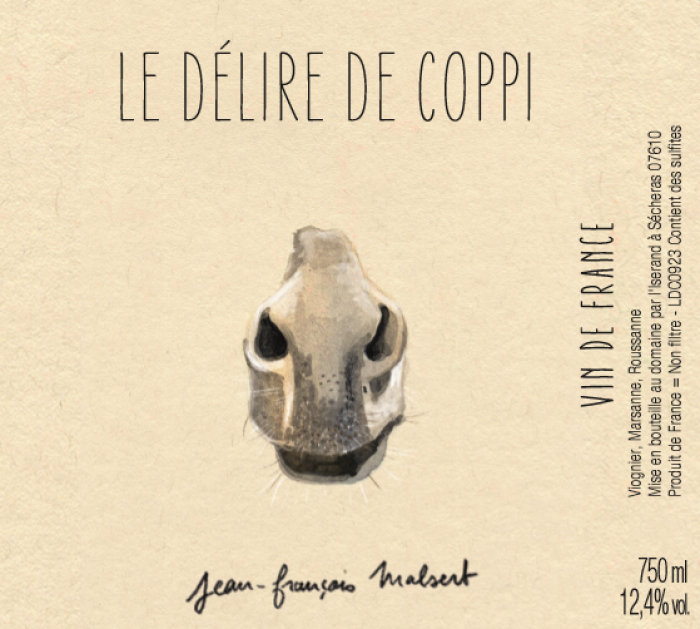
Jean-François Malsert ‘Le Délire de Coppi’ VdF Blanc 2022

View Label

Region: Northern Rhône

Appellation: Vin de France

Grapes: 40% Marsanne, 30% Roussanne, 30% Viognier

Average Vine Age: 7 years-old

Altitude: Between 1,250 to 1,475 feet (380m-450m)

Soils/Terroir: From 3 parcels totaling 1.3ha in the villages of Secheras and Arras sur Rhône. The parcels are exposed south, west , and southwest with soils of granitic sand, gneiss, mica schist, and a small amount of clay.

Farming: Organic

Harvest: Hand harvested

Yield: 35hl/ha

Winemaking: The 3 grape varieties are harvested and vinified separately. The Marsanne is directly pressed upon arrival in the cellar and undergoes 1 night of settling before transferring to sandstone amphora. The Roussanne and Viognier are crushed and macerated separately on the skins. The Roussanne for 7 days and the Viognier 10 days before pressing and transfer to sandstone amphora. Fermentation began spontaneously using only the naturally occurring indigenous yeasts. There was no stirring of the fine lees (battonage), and the wine completed malolactic fermentation.

Maturation: The 3 grape varieties were aged separately for 9 months in sandstone amphoras. 3 months before bottling the components were blended and a low dose of sulfur (1g/HL) added. Aged a further 3 months in sandstone amphoras. Bottled without fining or filtration.

pH: 3.52

Total SO2: <20ppm

Jean-François Malsert ‘Alliance’ VdF Rouge 2022

View Label

Region: Northern Rhône and Corbières

Appellation: Vin de France

Grapes: 35% Syrah, 35% Carignan, 30% Grenache (The Carignan and Grenache were sourced from Sébastien Larnaud in Corbières)

Average Vine Age: 20 years-old

Altitude: 1,180 feet (360m) for the Syrah. 490 feet (150m) for the Carignan and Grenache.

Soils/Terroir: Granite for the Syrah. Red clay and limestone for the Carignan and Grenache.

Farming: Organic

Harvest: Hand harvested

Yield: 20hl/ha

Winemaking: The 3 grape varieties were whole cluster macerated in stainless-steel tanks for 2 weeks. The Carignan and Grenache were macerated and fermented together. Light daily punch downs begin during the second week of maceration. Fermentation began spontaneously using only the naturally occurring indigenous yeasts. After 2 weeks of maceration the grapes were pressed and transferred back to stainless-steel tanks to complete fermentation. After the completion of malolactic fermentation, the Syrah was transferred to large used barrels, and the blended Carignan and Grenache was transferred to sandstone amphora.

Maturation: Aged 12 months, the Syrah in 600l used barrels and the blended Carignan and Grenache in sandstone amphoras. 3-4 weeks before bottling the components were racked, blended, and a low dose of sulfur (1g/HL) added. Bottled without fining or filtration.

pH: 3.52

Total SO2: <20ppm

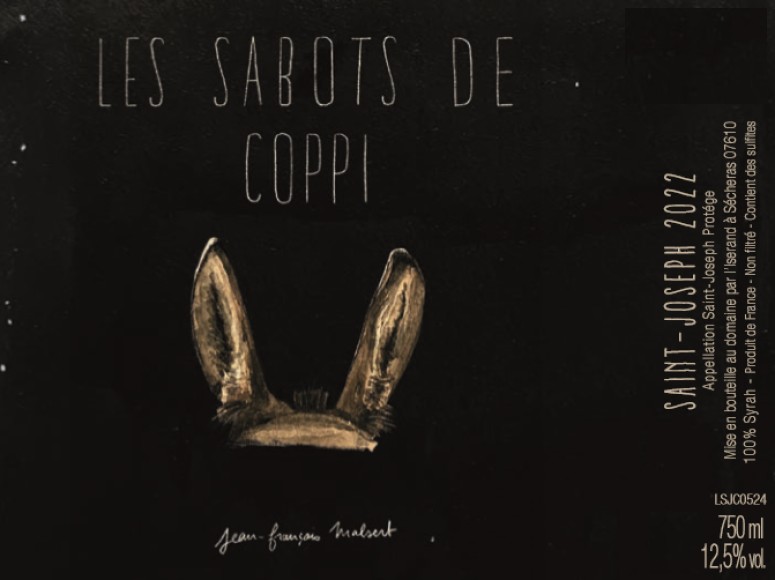
Jean-François Malsert ‘Les Sabots de Coppi’ Saint-Joseph Rouge 2022

View Label

Region: Northern Rhône

Appellation: Saint-Joseph AOP

Grapes: 100% Syrah

Average Vine Age: 8, 10, and 45-year-old vines

Altitude: 1,150 feet (350m)

Soils/Terroir: From multiple parcels located in the village of Sécheras, totaling 1.2ha.  The parcels are exposed south, with soils of gneiss and granitic sand.

Farming: Organic

Harvest: Hand harvested

Yield: 30hl/ha

Winemaking: 14-day whole cluster fermentation in concrete and stainless-steel tanks using only the naturally occurring indigenous yeasts. Daily light punching down of the cap during the maceration period. On the 15th day the grapes were pressed and transferred back to concrete tanks to complete fermentation. After the completion of malolactic fermentation, the wine was racked, and a low dose of sulfur (2g/HL) added.

Maturation: Aged 13 months in sandstone amphora and 7 months in concrete tanks. 3-4 weeks before bottling a low dose of sulfur (1.5g/HL) was added. Bottled without fining or filtration.

pH: 3.8

Total SO2: 35ppm

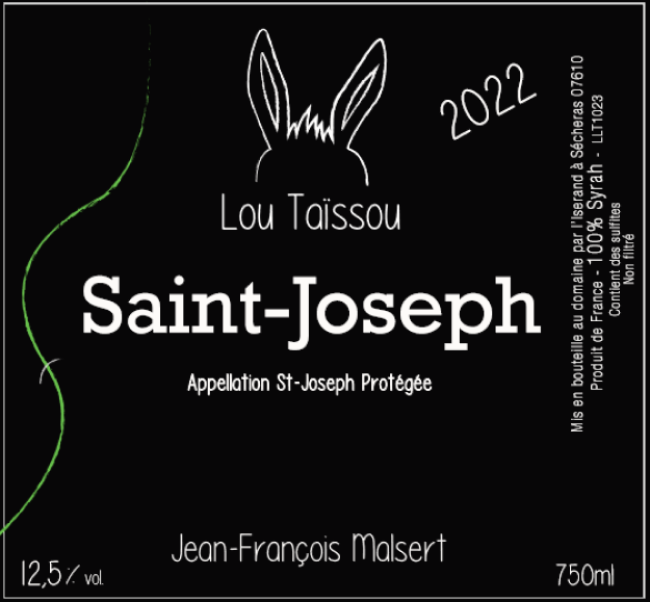
Jean-François Malsert 'Lou Taïssou' Saint-Joseph Rouge 2022

View Label

Region: Northern Rhône

Appellation: Saint-Joseph AOP

Grapes: 100% Syrah

Average Vine Age: 20 years-old

Altitude: 820 feet (250m)

Soils/Terroir: From a 1ha parcel located in the village of Ozon. The vines are exposed east, with soils of granitic silt and loam.

Farming: Organic

Harvest: Hand harvested

Yield: 35hl/ha

Winemaking: 14-day whole cluster fermentation in concrete tanks using only the naturally occurring indigenous yeasts. Daily light punching down of the cap during the maceration period. On the 15th day the grapes were pressed and transferred back to concrete tanks to complete alcoholic and malolactic fermentation.

Maturation: Aged 12 months in concrete tanks. A low dose of sulfur (1g/HL) was added during the summer after the harvest and again 3-4 weeks before bottling. Bottled without fining or filtration.

pH: 3.66

Total SO2: 20ppm

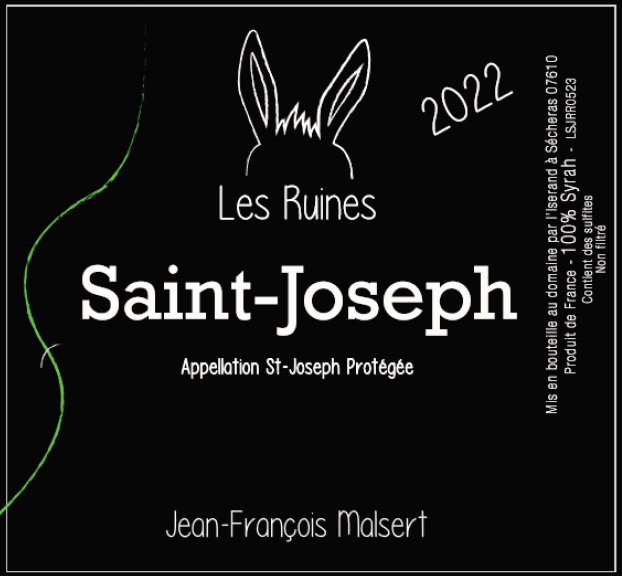
Jean-François Malsert ‘Les Ruines’ Saint-Joseph Rouge 2022

View Label

Region: Northern Rhône

Appellation: Saint-Joseph AOP

Grapes: 100% Serine (massale selection of a Syrah variant specific to Côte Rotie)

Average Vine Age: 6-year-old vines

Altitude: 1,083 feet (330m)

Soils/Terroir: From a .25ha parcel located in the village of Sécheras. The vines are exposed south, with soils of gneiss and granitic sand.

Farming: Organic

Harvest: Hand harvested

Yield: 15hl/ha

Winemaking: 12-day whole cluster fermentation in stainless-steel tanks using only the naturally occurring indigenous yeasts. Daily light punching down of the cap during the maceration period. On the 13th day the grapes were pressed and transferred back to stainless-steel tanks to complete fermentation. After the completion of malolactic fermentation, a low dose of sulfur (1g/HL) was added.

Maturation: Aged 10 months in sandstone amphora. 3-4 weeks before bottling a low dose of sulfur (1g/HL) was added. Bottled without fining or filtration.

pH: 3.88

Total SO2: 32ppm

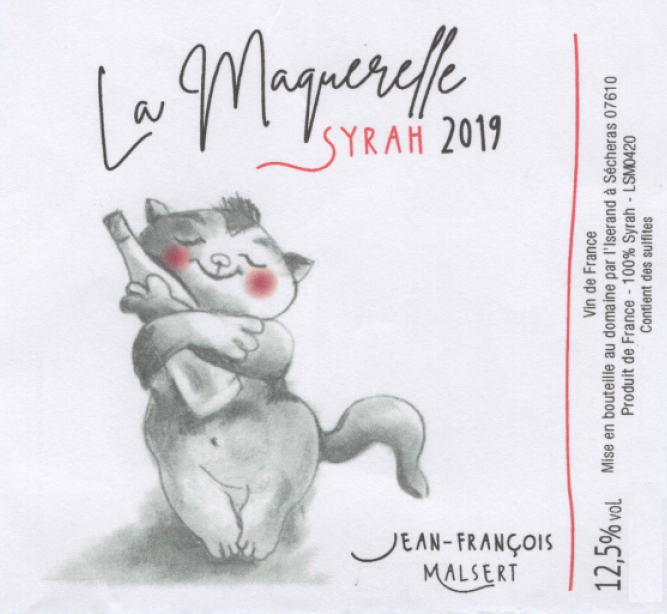
Jean-François Malsert ‘La Maquerelle’ VdF Rouge 2019

View Label

Region: Northern Rhône

Appellation: Vin de France

Grapes: 100% Syrah (sourced from Organic vineyards in the Northern Rhône village of Eclassan)

Average Vine Age: 45 years-old

Altitude: 1,312 feet (400m)

Soils/Terroir: From 2 parcels totaling 2ha in the village of Eclassan. The parcels are exposed south and east, with soils of clay and gneiss.

Farming: Organic

Harvest: Hand harvested

Yield: 50hl/ha

Winemaking: The grapes were fully destemmed and placed directly into concrete tanks. The maceration lasted for 12 days with light punch downs and pump overs. Fermentation began spontaneously using only the naturally occurring indigenous yeasts. After 12 days the grapes were pressed, and the juice transferred back to concrete tanks to complete fermentation.

Maturation: Aged 15 months in concrete tanks. 3-4 weeks before bottling the wine was racked, and a low dose of sulfur (1g/HL) added. Bottled without fining or filtration.

pH: 3.55

Total SO2: <20ppm

Producer Information

Domaine: Jean-Francois Malsert

Country: France

Region: Northern Rhône

Sub Region: Saint-Joseph (cellar in Sécheras, vineyards in Sécheras and Ozon)

Size: 7 hectares

Production: 20,000 – 30,000 bottles

Farming: Organic

Other Wine Producers

Le Soula

Domaine Des Deux Clés

Domaine Benastra

Le Mas de Mon Père

Domaine Lampyres

Terre De L’Élu

Domaine des Notes Bleues

Oxymore

Why Support Small Growers?

To us, it’s a simple truth that vignerons who apply biodynamic and organic practices have an intimate understanding of their vineyards and the raw materials (grapes) produced from each individual parcel. Perhaps it is unquantifiable, but this level of understanding almost always translates into something unique and delicious in your glass.